Torn between waking up to the water or stepping out your door into a walkable downtown? In Holland, you can have beach-town energy, a charming city center, or a blend of both. You want a home that fits how you live today and holds value for tomorrow. This guide breaks down real differences between Holland’s waterfront and downtown options so you can decide with confidence. Let’s dive in.
Waterfront vs. downtown: what each means
What counts as “waterfront” in Holland
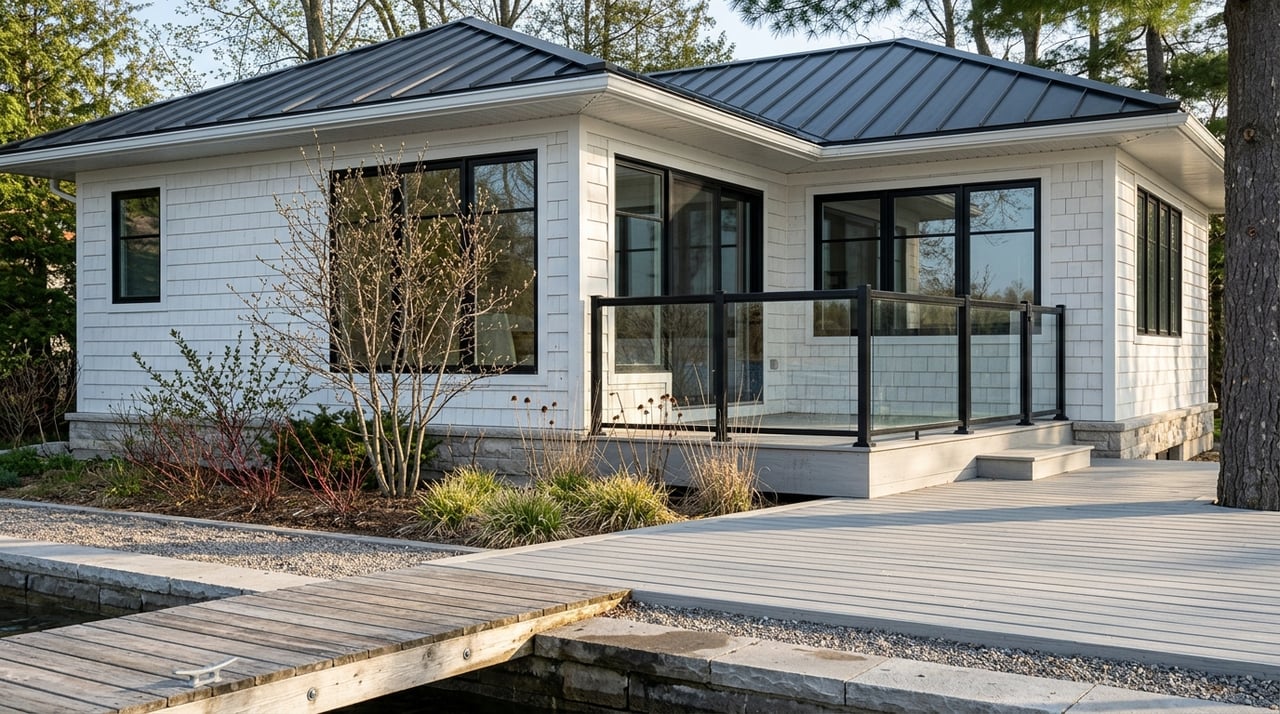
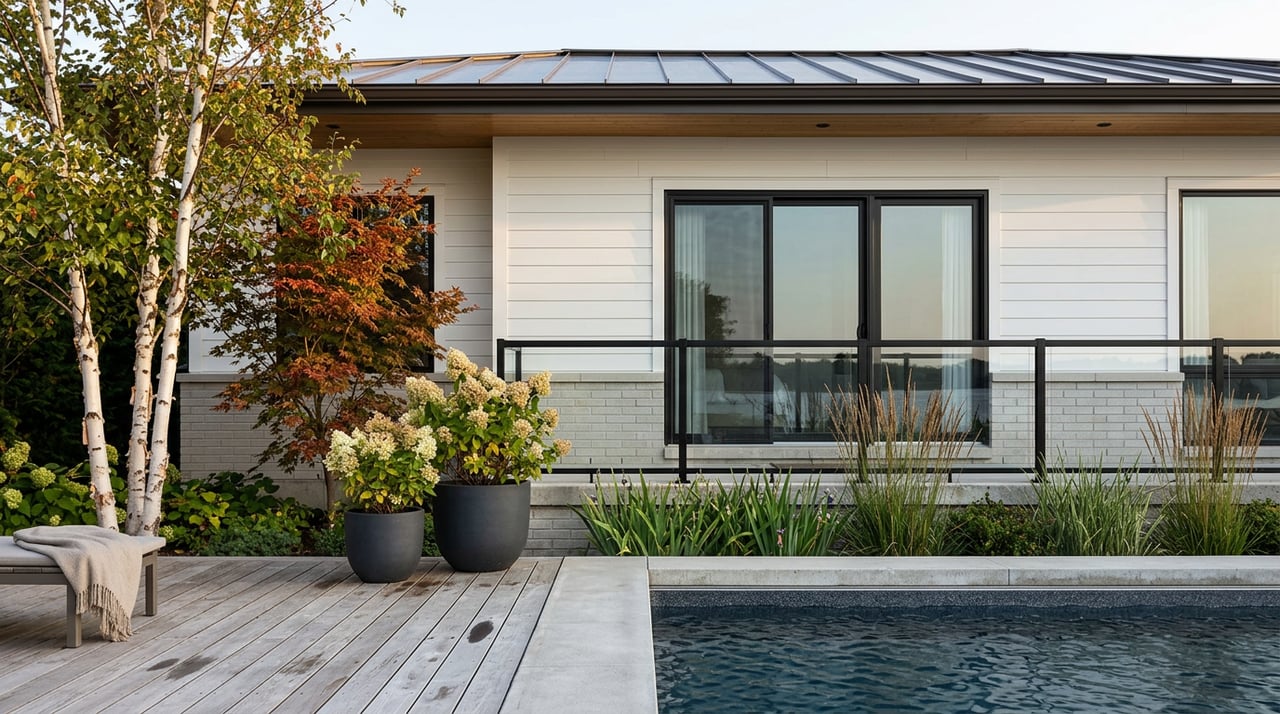
In Holland, “waterfront” usually means Lake Macatawa frontage or neighborhoods along the shoreline that connect to boardwalks and parks. It can also mean direct Lake Michigan frontage near Holland State Park and Tunnel Park. The city’s connectors, including Kollen Park and the Heinz Waterfront Walkway, tie much of Lake Macatawa’s edge to downtown’s core. You can see how these areas relate on the city’s Waterfront Holland map.
Where downtown begins and ends
“Downtown” centers on 8th Street and Washington Avenue, with shops, dining, the farmers market, and cultural venues. It includes adjacent blocks around River Avenue, Centennial Park, and the Padnos Transportation Center. Because boardwalks link downtown to the Macatawa shoreline, the lifestyle tradeoff is often smaller if you focus on Lake Macatawa properties rather than the more coastal Lake Michigan stretch.
Lifestyle, day to day
Walkability and access
- Downtown gives you high walkability to restaurants, breweries, boutiques, the farmers market, and year-round events. Many downtown condos offer assigned parking or access to nearby public lots and the parking deck.
- Lake Macatawa waterfront near Kollen Park can hit a sweet spot: you get water access plus short walks to downtown’s amenities through the boardwalk network shown on the Waterfront Holland map.
- Lake Michigan frontage feels more resort-like. You’ll drive a few minutes back into downtown for dinner, errands, or events.
Commute and transit
Holland’s Macatawa Area Express (MAX) bus system runs from the Padnos Transportation Center and connects multiple neighborhoods. If you plan to use transit, check current MAX routes and schedules to see how a specific address lines up with your routine. If your job is in Grand Rapids, the typical drive is around half an hour in normal traffic. Whether you live downtown or on the waterfront within Holland, that regional commute will be similar, since access to major routes matters more than the exact neighborhood.
Parking and crowds
Downtown has several public lots and a parking deck, and many public options are free with some overnight rules. If you expect guests or own more than one car, it helps to study the Downtown Holland map and parking directory before you buy.
Waterfront homes usually have private driveways and garages, which makes parking simple for owners. Summer weekends can be busy on roads leading to Holland State Park and Tunnel Park. If you host often, consider guest parking options or boat access for visitors.
Seasonality to plan around
Holland runs on four true seasons. Early May brings Tulip Time, which draws large crowds to downtown and the lakeshore. Recent reporting cited a record 976,000 attendees and a strong economic impact, which can affect traffic, parking, and short-term rental demand during the festival window. You can read the recap of the record-breaking turnout from local coverage here.
Summer peaks at the beaches, boardwalks, marinas, and parks. Fall and winter are quieter, with waterfront recreation shifting toward cold-weather activities. If you prefer a calmer pace, off-season waterfront living can feel especially peaceful. If you value a constant buzz, downtown’s venues and eateries keep things lively all year.
What your money buys
Waterfront price drivers
Waterfront pricing varies widely and is highly property specific. Factors like linear feet of frontage, water depth at the dock, seawall condition, private versus association beach, and recent shoreline work drive value more than citywide medians. On Lake Macatawa, you can find near-downtown properties in the mid six figures, with premium frontage and larger homes reaching well into seven figures. On or near Lake Michigan, expect higher prices on true frontage, with smaller cottages or association-access homes sometimes offering a lower entry point.
Downtown condo price drivers
Downtown offers a broad band too. Smaller condos and older conversions often land in the mid $200,000s to $400,000s, while larger or newer luxury units can reach the upper end of the range. Monthly HOA fees also vary with building age, amenities, and services provided, with recent examples showing fees from about $400 to over $1,000 per month. You can get a feel for how fees and amenities interact by browsing a sample downtown condo listing’s details.
Carrying costs to budget
- Waterfront homes: budget for shoreline and dock upkeep, possible dredging, and higher insurance. Seawalls and shoreline stabilization can be major capital items, sometimes into six figures when work is recent or extensive.
- Downtown condos: fewer exterior maintenance surprises, but HOA dues cover building services that add to your monthly payment. Always check what the dues include and whether there are special assessments on the horizon.
Rules that can impact how you use the property
Docks and shoreline permits
If you plan to build or modify a dock, pier, or any marina-related structure, permits are commonly required under Michigan’s EGLE programs, and sometimes federal review applies for dredging. Private residential docks fall under riparian-use rules, but many actions still need a permit. Start with guidance summarized by Michigan Sea Grant, then verify specifics with the seller and your agent.
Flood zones and insurance
If a structure sits in a FEMA Special Flood Hazard Area, most lenders require flood insurance. Standard homeowners policies do not cover flood. Before you fall in love with a waterfront property, search the address on FEMA’s Flood Map Service Center and get quotes from both NFIP and private carriers so you know the cost upfront.
Short-term rentals and HOAs
If you hope to rent seasonally, confirm two things early: the City of Holland’s short-term rental rules and your HOA’s covenants. The city maintains registration and operational requirements for short-term rentals, which you can review in its STR program documents. Many downtown condos and waterfront associations limit rentals and set minimum stays. Ask for the HOA resale packet to learn about rental policies, parking assignments, boat slip rules, budgets, and reserves.
Taxes and local rates
Your total property tax depends on the property’s taxable value and local millages. Ottawa County publishes rate information that can help you estimate the bill for a given address. Check the county’s tax rates and transparency page and confirm with your lender or advisor during due diligence.
Resale outlook: who will want your home next
Waterfront properties often command a premium because buyers place high value on frontage and access. The buyer pool is narrower, which can mean more sensitivity to shoreline condition, insurance costs, and broader climate perceptions. Downtown properties benefit from walkability and proximity to year-round amenities, which are common demand drivers in many markets. For either choice, your resale value will come down to specifics: the exact water access and shoreline condition on a waterfront home, or the building’s amenities, fees, and parking in a downtown condo.
Decision guide: which fits you
Consider the statements that feel most like you. Your answers will point you toward one path.
- You want to launch a kayak before breakfast, host on the deck, and watch sunsets over the water. You are comfortable with seasonal traffic near beaches and potential shoreline upkeep. You value privacy over being in the center of the action. Waterfront living likely fits you.
- You want to step out to dinner, shops, and events without planning parking. You prefer steady, year-round vibrancy and lighter exterior maintenance. You are fine with HOA dues in exchange for convenience. Downtown living likely fits you.
- You want both. Target Lake Macatawa neighborhoods near Kollen Park and boardwalk connectors. You can boat or walk to dinner and still get water access.
Smart next steps
- Pull a FEMA flood map for any address you like, and get a flood insurance quote if a risk appears. Start with the FEMA Map Service Center.
- If you want a dock or slip, ask the seller for permits, surveys, and any recent shoreline invoices, then confirm requirements with Michigan Sea Grant’s state-law guide.
- If rentals are part of your plan, read the city’s short-term rental rules and your HOA covenants before you submit an offer.
- For condos, request the full HOA resale packet. Compare dues, reserves, rental policies, parking, and any special assessments.
- Test your commute and errands from the actual property at typical times, and explore MAX bus routes if you plan to use transit.
Ready to see homes that match your lifestyle, budget, and long-term goals? Connect with Fortress Realty for local guidance, finance-savvy advice, and a clear plan to purchase with confidence.
FAQs
What is the difference between Lake Macatawa and Lake Michigan living in Holland?
- Lake Macatawa homes often connect to downtown via boardwalks and Kollen Park, giving you water access plus walkability, while Lake Michigan frontage feels more resort-like and typically requires a short drive to downtown. Review the Waterfront Holland map to see how areas link.
Do I need flood insurance for a Holland waterfront home?
- Not always, but lenders typically require flood insurance if the structure is in a FEMA Special Flood Hazard Area. Standard homeowners policies exclude flood, so check the FEMA Flood Map Service Center and get quotes early.
Can I build or modify a dock on Lake Macatawa?
- Possibly, but docks, piers, and dredging are regulated. Many projects require state permits and sometimes federal review. Start with Michigan Sea Grant’s permit overview and verify details with your agent and the seller’s documents.
Are downtown Holland condos good for short-term rentals?
- It depends on the building and city rules. The City of Holland requires registration and has operating requirements for STRs, and many HOAs limit rentals. Read the city’s STR program documents and your HOA covenants before you buy.
How does parking work for downtown buyers during busy events like Tulip Time?
- Downtown offers public lots and a parking deck, but crowds surge during major events. Use the Downtown Holland parking directory to plan, and expect heavier traffic during Tulip Time, which recently reported record attendance in local news.