Wondering whether Northville’s historic core or its newer neighborhoods fits your daily life better? It is a smart question, because in Northville, your lifestyle can change a lot depending on where you buy. If you are deciding between walkable older streets and newer planned communities, this guide will help you compare the tradeoffs with more clarity. Let’s dive in.
Northville Offers Two Distinct Lifestyles
Northville is a compact city of about 6,000 residents in just 2.2 square miles, and the city highlights its historic downtown, parks, trails, and small-town feel. Many neighborhoods in the city are close enough to downtown for residents to get there on foot. As of April 2026, the citywide median listing price is about $725,000, with 153 homes for sale and a median of 45 days on market.
That broad snapshot matters, but it does not tell the whole story. The bigger question is how you want to live day to day. In simple terms, the historic core offers more walkability and character, while newer Northville communities tend to offer more square footage, more managed amenities, and a more suburban setup.
Old Village Means Historic District Living
In city materials, the area many people think of as “Old Village” is generally the Historic District around Main Street and the surrounding older blocks. This district covers about 144 acres and includes up to 343 houses and other buildings. It is the part of Northville most closely tied to the city’s architectural heritage and traditional downtown pattern.
If you picture tree-lined streets, older homes with distinct details, and quick access to downtown errands, this is the setting you are likely imagining. The city notes that Historic District neighborhoods branch off downtown to the south, west, and north. Many residents can walk to shops, restaurants, theaters, and personal services, which makes daily life feel convenient in a very different way than a typical subdivision.
What Daily Life Feels Like
The biggest draw here is how easy it is to live close to downtown. Residents describe narrow sidewalks, mature trees, and the ability to walk to places like the library, grocery store, and local businesses. If you like the idea of parking once and handling more of your routine on foot, this part of Northville stands out.
That walkability also shapes the overall feel of the neighborhood. Streets tend to feel more connected to the town itself, not just to the homes on the block. For buyers who want a stronger sense of place and an everyday connection to downtown Northville, that can be a major advantage.
What the Homes Are Like
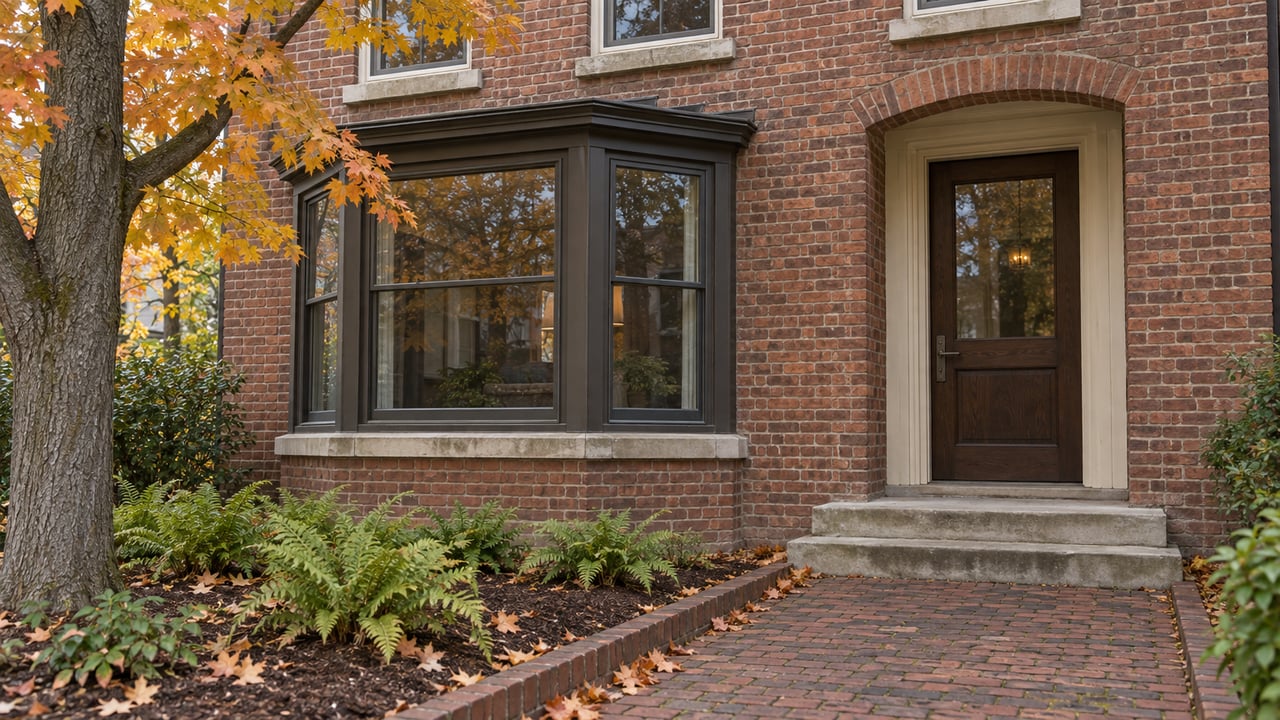
The Historic District is the most architecturally distinctive part of Northville. City materials reference Victorian-era architecture, and the local design guidelines identify Colonial Revival as one of Northville’s major historic styles. The city’s historic-home materials also mention features like wood floors, tall ceilings, built-ins, thick walls, and coved or arched doorways.
Those details create a look and feel that newer homes usually cannot replicate. At the same time, older homes can come with practical tradeoffs, such as smaller closets or less standardized floor plans. If you care more about originality and charm than a perfectly uniform layout, that tradeoff may feel worth it.
What Buyers Should Know About Ownership
Historic District living comes with another important consideration: preservation oversight. Northville’s Historic Preservation Ordinance is designed to preserve architectural heritage and stabilize and improve property values. Exterior changes, paint colors, additions, moving, and demolition are reviewed by the Historic District Commission.
For some buyers, that structure helps protect the character of the area and supports long-term appeal. For others, it may feel more restrictive than they want. It is important to know early whether you are comfortable owning in a district with that kind of review process.
What Pricing Looks Like
The historic core is not the bargain option. Current data show very limited supply, with only two homes matching the historic district and a median listing price around $715,000. One approved custom-home opportunity was listed at $1.999 million, while a separate wooded lot was listed at $599,000.
That pricing reflects scarcity as much as anything else. You are often paying for location, walkability, character, and limited inventory, not necessarily for a larger lot or a newer house.
Newer Northville Means Space and Amenities
If the historic core is about charm and downtown access, newer Northville communities are more often about size, structure, and amenities. These neighborhoods tend to offer larger homes, more consistent streetscapes, and HOA-managed features. They also usually place you a short drive from downtown rather than steps away from it.
This does not mean newer areas lack connection or outdoor access. Northville Township highlights its green space and pathway system, which already includes about 28 miles of hard-surfaced public pathways. Still, the feel is different from living a few blocks off Main Street.
Northville Hills Golf Club
Northville Hills Golf Club is one of the clearest examples of newer subdivision living in the area. The community includes 477 homes built between 2000 and 2008, with floor plans generally ranging from 3,000 to 5,000 square feet. Homes commonly include 4 to 5 bedrooms, brick exteriors, and garages sized for 3 cars or more.
The lifestyle here is shaped by community amenities. Official materials describe a clubhouse, dining room and lounge, pro shop, and a residents-only swim and fitness center with a resort pool. The neighborhood is about 10 minutes from downtown Northville, and current data show an active listing around $1.3 million, a 12-month median sale price of $745,000, average lot size of 15,682 square feet, and annual HOA fees of roughly $1,238.
Stonewater
Stonewater takes the amenity-driven model even further. The community includes six lakes, waterfalls, a trout stream, scenic pedestrian paths, and a waterfront setting. For buyers who want more visual space and a planned neighborhood environment, it offers a very different experience from the historic core.
Current neighborhood data show an average home size of 4,891 square feet and an average lot size of 17,860 square feet. The 12-month median sale price is $1.443 million, with annual HOA fees of $1,750. In short, Stonewater is geared toward buyers who want more house, more scenery, and more managed common features, while accepting a significantly higher price point.
Blue Heron Pointe
Blue Heron Pointe shows how the newer Northville lifestyle can also work for condo buyers. This community has 110 condominiums with private beaches on Blue Heron Lake. Residents can boat, kayak, swim, and fish within the neighborhood.
Current neighborhood information places many units in roughly the $500,000 to $700,000 range, with sizes from about 1,800 to 4,200 square feet and construction dates from 1989 to 1992. The tradeoff is typical of HOA living: shared maintenance, assessments, and community rules in exchange for shared amenities and less individual exterior upkeep.
Fox Hollow
Fox Hollow is a smaller custom-home enclave, but it still fits the newer Northville pattern better than the historic core does. The HOA describes 37 custom homes with a pond, wooded common areas, and an active association. A recent listing showed a home on about 0.58 private acres.
Compared with the Historic District, the appeal here is more privacy and a more suburban setting. If you want more separation between homes and less direct connection to downtown foot traffic, this type of neighborhood may feel more aligned with your goals.
How to Compare the Tradeoffs
For most buyers, this choice comes down to what matters most in your everyday routine. Do you want to walk downtown more easily, or do you want a larger home with more structured amenities? There is no universal right answer, only the better fit for how you live.
Here is a simple way to think about it:
| Lifestyle Factor | Historic District | Newer Northville Communities |
|---|---|---|
| Daily convenience | Best for downtown walkability | Usually requires more driving |
| Home style | Older, varied, character-rich | Newer, larger, more uniform |
| Lot and footprint | Often smaller and more compact | Often larger homes and lots |
| Oversight | Historic review for many exterior changes | HOA rules and dues are common |
| Amenities | Downtown access is the main amenity | Golf, pools, lakes, paths, or shared features may be available |
| Buyer appeal | Strong for charm and scarcity | Strong for turnkey living and space |
What This Means for Resale
Resale patterns often follow the same lifestyle divide. In the historic core, value is supported by limited supply, architectural character, and downtown proximity. Buyers who want that combination may be willing to compete for it, especially because there are relatively few homes available.
In newer subdivisions, resale appeal often comes from larger layouts, newer construction, garages, and neighborhood amenities. These homes can attract buyers looking for more turnkey living and more predictable upkeep. The tradeoff is that HOA dues, rules, and shared maintenance become part of the ownership picture.
Which Northville Lifestyle Fits You Best
If you want charm, walkability, and a closer connection to downtown Northville, the Historic District is likely the better match. If you want more house, more amenities, and a more structured suburban setting, newer Northville communities may fit better. Both options can be strong, but they serve very different priorities.
The key is to match the neighborhood to your real daily habits, not just your wish list. At Fortress Realty, we help you compare that lifestyle fit alongside pricing, resale potential, and the practical costs of ownership so you can make a confident move. If you are weighing historic Northville against newer communities, connect with Fortress Realty for local, finance-savvy guidance.
FAQs
What is the difference between Old Village and Northville’s Historic District?
- In Northville, the area many buyers think of as “Old Village” is generally the downtown-adjacent Historic District around Main Street and the surrounding older blocks.
Is Northville’s Historic District more walkable than newer Northville neighborhoods?
- Yes. City materials note that many Historic District residents can walk to downtown shops, restaurants, theaters, and personal services, while newer communities are typically more drive-oriented.
Are homes in Northville’s Historic District cheaper than newer subdivisions?
- Not necessarily. Current data show the historic core around a $715,000 median listing price with limited supply, while newer communities range widely from condo pricing around $500,000 to luxury neighborhoods with median sale prices above $1 million.
Do Northville historic homes have renovation rules?
- Yes. The Historic District Commission reviews certain exterior changes, including paint colors, additions, moving, and demolition.
What do newer Northville neighborhoods usually offer that the Historic District does not?
- Newer communities often offer larger homes, bigger garages, HOA-managed common areas, and amenities such as golf, pools, lakes, beaches, pedestrian paths, or clubhouse features.
How do I choose between historic Northville and a newer subdivision?
- Start with your daily priorities. If walkability and character matter most, the Historic District may fit better. If you want more space, newer construction, and managed amenities, a newer community may be the stronger choice.