Dreaming of a Spring Lake getaway you can call your own? If you are weighing a weekend place versus a rental, the mortgage rules can feel confusing fast. You want clear answers on down payments, reserves, flood insurance, and what lenders look for on waterfront properties. This guide breaks down the essentials so you can plan with confidence and move quickly when the right home hits the market. Let’s dive in.
Second home vs. investment: what qualifies
Buying a property you plan to use personally is different from buying for rental income. A second home is a place you occupy periodically for your own use. An investment property is primarily for income and rentals.
Conventional loan programs recognize second homes as a distinct category with different eligibility and pricing. You can review occupancy guidance in the Fannie Mae program resources. If you plan frequent short-term rentals or intend to rely on rental income to qualify, many lenders will classify the property as an investment loan with stricter terms.
FHA, VA, and USDA programs are generally for primary residences and are not available for second-home financing. You can confirm occupancy rules with HUD’s FHA resources and the U.S. Department of Veterans Affairs. For tax questions around personal use versus rental days and deductions, see IRS Publication 527.
What lenders expect on money
Down payments and reserves vary by lender, your credit profile, and the property. Here are typical industry ranges you can use for planning.
- Second home (conventional): many lenders allow down payments starting around 10% for qualified borrowers. Some require 15% to 20% depending on credit, condo status, or market risk.
- Investment property: down payments commonly run 15% to 25% or more. Non-owner-occupied loans usually see the higher end of that range.
- Reserves: lenders look for liquid assets left after closing, measured in months of your full payment (PITIA). Second-home loans often require 2 to 6 months. Investment loans often require 6 months or more.
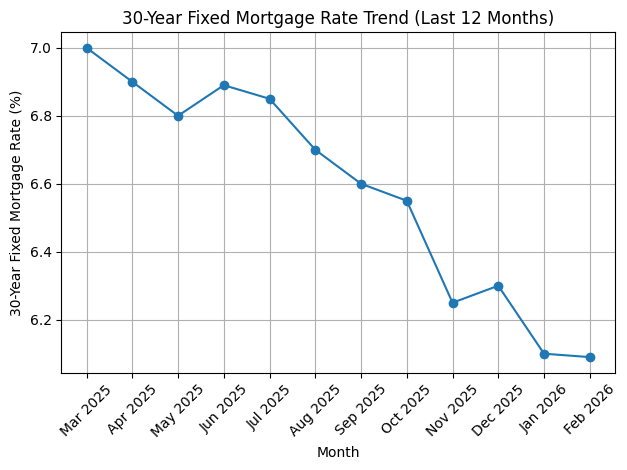
Interest rates are usually higher than for a primary residence, and investment loans are priced more conservatively than second-home loans. Private mortgage insurance may be available on some conventional second-home loans with lower down payments, but terms vary by lender. For a general overview of mortgage requirements and how lenders evaluate your finances, explore the Consumer Financial Protection Bureau.
Spring Lake underwriting factors lenders watch
Occupancy checks and documentation
Your lender will have you sign an occupancy affidavit that states how you intend to use the home. They may review the distance from your primary residence and your expected frequency of personal use. If you plan regular short-term rentals, many lenders will reclassify the loan as investment even if you use the home personally at times.
Appraisal challenges on lakefront homes
Lake and seasonal properties often have limited comparable sales. Appraisers adjust for frontage, views, and amenities, and the available comps can affect your loan-to-value. Lenders also expect year-round habitability for second-home classification, which means working plumbing and heating suitable for winter conditions.
Flood zones and insurance
Many Spring Lake addresses sit near water. Every lender orders a flood-zone determination. If the home lies in a Special Flood Hazard Area, flood insurance will be required and the premium becomes part of your monthly payment used for qualifying. Before you write an offer, run a quick check in the FEMA Flood Map Service Center and request a premium estimate if the parcel appears in a mapped zone.
Condos, HOAs, docks, and water rights
Condo and waterfront communities come with added review. Lenders evaluate project eligibility, association financials, and rental restrictions. Deeded water access, dock rights, and shared easements can affect value and marketability. For background on shoreline and property-rights concepts, see MSU Extension resources and the Michigan Department of Natural Resources. Always verify any HOA rules for slips, moorings, and short-term rentals before you commit.
Local due diligence checklist
Use this quick list to keep your financing on track in Spring Lake.
- Flood zone and insurance: check FEMA maps for the parcel and price flood insurance if required. Add the premium to your budget because it increases your qualifying payment.
- Zoning and short-term rental rules: confirm allowed uses with Spring Lake village or township offices and review any HOA rental limitations.
- Deeded water access: verify frontage, dock or slip rights, or shared easements in the deed. Review HOA covenants and any special assessments.
- Property taxes: review Ottawa County records for current taxes and any special assessments that affect your payment.
- Utilities and winterization: confirm year-round heat and plumbing, septic or sewer compliance, and utility availability if you plan off-season use.
- Appraisal comps: talk with your lender and agent about seasonal comps in Spring Lake and nearby Grand Haven waterfronts to set realistic value expectations.
- Insurance beyond flood: ask carriers about wind and lake-storm coverage near water and whether any limitations could affect your policy.
Steps to move forward with confidence
- Clarify your plan for personal use versus rentals. Share this with your lender early to avoid an occupancy surprise.
- Get a second-home pre-approval. Ask about down payment, rate adjustments, reserves, and condo or waterfront overlays.
- Run a flood check on your shortlist addresses and get insurance estimates if needed.
- Review deeded access, HOA rules, and dock rights before you offer.
- Budget for cash to close plus required reserves. Keep a cushion for seasonal maintenance.
- Partner with a local agent experienced in Spring Lake waterfront transactions who can source accurate comps and spot red flags early.
Work with a finance-savvy local guide
A second home near Spring Lake should feel simple, not stressful. Our team pairs local market insight with a strong understanding of financing so you can choose the right loan path and avoid costly surprises. When you are ready, we can connect you with lenders experienced in Michigan second homes, coordinate due diligence on water access and HOA rules, and position your offer to win.
If you are exploring a Spring Lake purchase, reach out to Fortress Realty for a straightforward plan and local guidance tailored to your goals.
FAQs
What is the typical down payment for a Spring Lake second home?
- Many conventional second-home loans start around 10%, with some lenders requiring 15% to 20% depending on credit, property type, and risk.
Can I use FHA or VA to finance a Spring Lake vacation home?
- Generally no, because FHA and VA loans are designed for primary residences and require occupancy as your main home.
How do short-term rentals affect my mortgage classification?
- If you plan regular short-term rentals or rely on rental income, lenders typically classify the property as an investment, which requires larger down payments and reserves.
Will I need flood insurance for a Spring Lake lakefront home?
- If the address falls within a FEMA Special Flood Hazard Area, your lender will require flood insurance and count the premium in your monthly payment for qualifying.
What do appraisers look for on Spring Lake waterfront properties?
- Appraisers weigh comparable sales, frontage, view, and amenities, and lenders expect the home to be suitable for year-round occupancy to qualify as a second home.