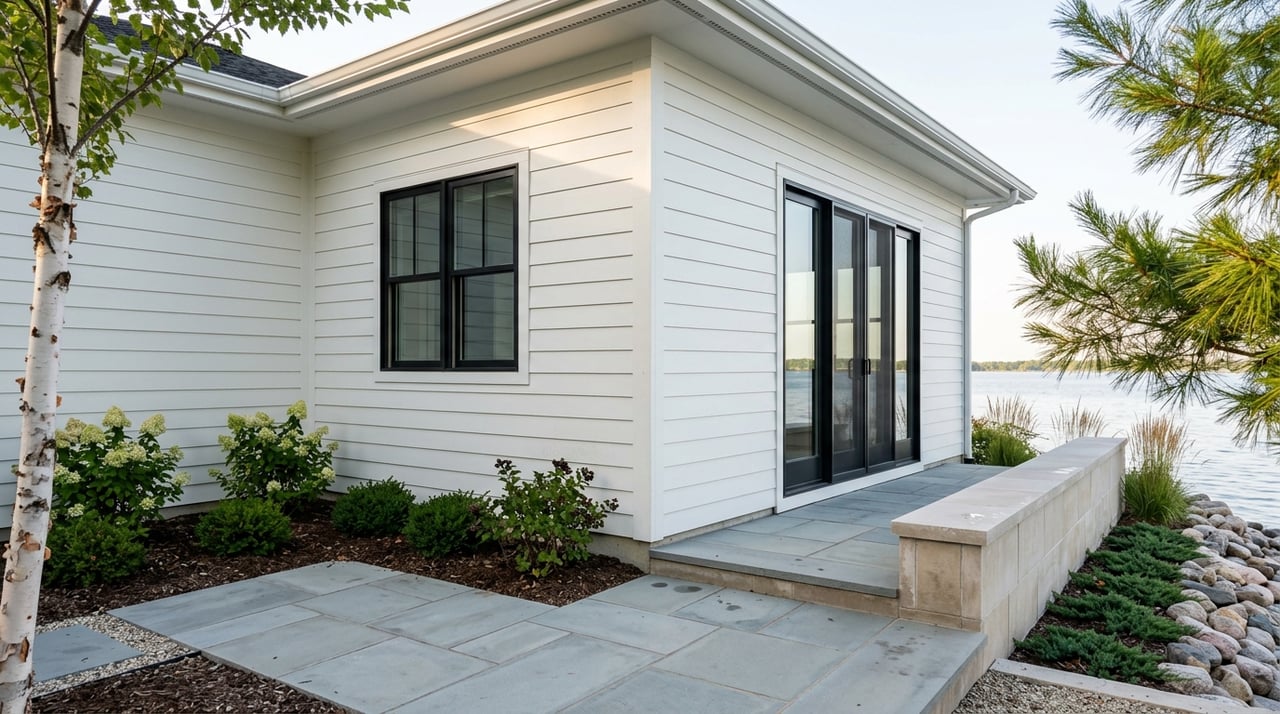
If you picture waking up to freighters on the channel, sunset walks by the pier, or easy access to downtown Grand Haven, a waterfront condo can check a lot of boxes. It can also come with questions that are easy to miss at first, like HOA reserves, rental restrictions, parking rules, and how a building plans for waterfront wear over time. If you want to buy with confidence, this guide will help you focus on the details that matter most in Grand Haven. Let’s dive in.
Where waterfront condos are in Grand Haven
In Grand Haven, waterfront condos are most often clustered around Harbor Drive, the Grand River channel, the Lake Michigan shoreline, and the downtown waterfront near the pier and boardwalk. The city’s planning documents describe the waterfront area as a place shaped by public access, marina activity, recreation, and views of the channel, lighthouse, and Musical Fountain.
That means “waterfront” can mean a few different things here. Some condos are directly on Lake Michigan, some overlook the Grand River channel or harbor, and others are downtown units with direct access to the boardwalk, waterfront events, and marina activity. As you compare properties, it helps to confirm the exact orientation rather than assume every waterfront address offers the same setting.
Waterfront views can vary a lot
A Lake Michigan-front condo offers a different experience than a condo facing the channel or downtown boardwalk. Lakefront units may emphasize beach access and open water views, while channel-front and harbor-front units often appeal to buyers who enjoy watching boat traffic, festivals, and waterfront activity.
Downtown waterfront condos can also deliver a strong lifestyle benefit, even if they are not directly on the beach. In many cases, you are within walking distance of the state park, boardwalk, marina, and downtown dining and events.
What condo inventory looks like
Grand Haven’s waterfront condo market includes a wide mix of building types and unit sizes. Current examples range from older projects dating to the early 1990s to newer units built in 2020 through 2022.
Size also varies more than many buyers expect. Public listings show units as small as about 910 square feet and as large as more than 4,100 square feet, so the market includes both compact getaways and larger full-time or second-home options.
Amenities differ by building
Amenities are not standardized from one building to the next. Some listings mention features like a meeting room, restaurant or bar access, and 24-hour security, while others highlight a pool, storage, attached garages, balconies, or end-unit layouts.
That matters because two condos with similar views may offer very different day-to-day value. One building may fit a lock-and-leave second-home lifestyle, while another may work better if you want extra storage, parking convenience, or more owner-focused amenities.
How to evaluate HOA fees
HOA dues in Grand Haven waterfront condos can land in the low hundreds per month, but the amount depends heavily on the building and the services included. Public listing examples show monthly dues ranging from about $200 to $345.
Common inclusions in those listings are water, sewer, trash, snow removal, and grounds maintenance. Some higher-service buildings may also include added amenities or security, which can help explain why one monthly fee is noticeably higher than another.
Compare value, not just cost
It is easy to focus on the monthly number, but the better question is what you are getting for that fee. A lower HOA payment may still leave you with more out-of-pocket maintenance or fewer services, while a higher payment may support more building systems, common amenities, or stronger building management.
When you review a condo, ask for a clear breakdown of what the dues cover and what expenses you will still handle separately. That simple comparison can make your budgeting much more realistic.
Why condo documents matter so much
In Michigan, the master deed, bylaws, rules, and regulations are binding on owners and occupants. State rules also require associations to keep current condominium documents available for inspection, which gives you a chance to review the framework you will be living under before you commit.
For a waterfront condo, those documents are especially important. You are not just buying the unit itself. You are also buying into the association’s approach to maintenance, repairs, reserve planning, use restrictions, and decision-making.
Ask about reserves and assessments
Michigan condo rules require a reserve fund for major repairs and replacement of common elements, with a minimum reserve equal to 10% of the association’s current annual budget. That reserve requirement is important in any condo purchase, but it carries extra weight near the water.
Grand Haven’s coastal resiliency work notes that North Shore structures can be exposed to coastal flooding, beach erosion, and high-energy waves. Because of that, you should ask how the association plans for large expenses such as roofs, façades, balconies, elevators, parking areas, and shoreline-adjacent common elements.
You should also ask whether there are any current or expected special assessments. A beautiful waterfront building may still come with future capital needs, and those costs can affect your true ownership picture.
Request an unpaid-assessment statement
Michigan law says that when a condo is sold, unpaid assessments and certain related charges can be paid from the sale price or by the purchaser up to the amount shown in the association’s written statement. For you as a buyer, that makes a current unpaid-assessment statement an important closing item.
It is a simple request, but it can help you avoid last-minute surprises. It also gives you a clearer sense of whether the unit is financially current with the association.
Remodeling rules to know before you buy
If you hope to update a waterfront condo, do not assume you can start work right after closing. Michigan condo rules say that a co-owner who wants to make a structural repair or modification must obtain written consent when the work could affect the project’s structural soundness or safety.
That means your renovation plans may be shaped by more than your budget and design preferences. Before you buy, ask what types of changes require approval and whether the building has rules around contractors, work hours, or common-area access during renovations.
Short-term rentals are not automatic
Many second-home buyers naturally wonder whether a Grand Haven waterfront condo can also serve as a short-term rental. The key point is that you need to confirm both local rules and association rules for the specific property.
In the City of Grand Haven, short-term rental inquiries go through the planning department. City materials define a short-term rental as a dwelling unit providing transient accommodations for periods of less than one month, more than three times per year.
City and township rules differ
The city says short-term rentals must be in eligible zoning districts, must be legal conforming uses, and must have sufficient off-street parking, with a certificate of compliance displayed inside the unit. If your target condo is inside city limits, those are important baseline questions to ask early.
In Grand Haven Charter Township, the rules are different. Township materials say rental units must be registered, short-term rentals are defined as less than 28 days and are only allowed in the short-term rental overlay zone, and limited short-term rentals for properties with a principal residence exemption face additional caps.
Because the rules differ by jurisdiction, rental potential can change sharply from one property to the next. On top of that, condo documents can be stricter than local zoning, so local eligibility does not always mean the association will allow the use.
Parking can shape your ownership experience
Parking may not be the first thing you think about when buying a waterfront condo, but it can make a big difference, especially downtown. If you plan to use the condo seasonally, host guests, or explore rental use where allowed, overnight parking rules deserve a close look.
Grand Haven publishes downtown overnight parking permit options for residents, temporary residents, and visitors. Those permit structures can affect your day-to-day convenience, guest planning, and carrying costs depending on the building’s on-site parking setup.
Ask parking questions early
Before you make an offer, confirm:
- Whether the unit includes dedicated parking
- Whether guest parking is available
- Whether overnight street or permit parking may be part of your routine
- How parking works during peak event periods
This is one of those details that can feel minor at first and frustrating later if you do not pin it down.
Lifestyle appeal drives demand
Part of the draw of buying a waterfront condo in Grand Haven is the lifestyle that comes with the location. Grand Haven State Park offers a half-mile of sandy Lake Michigan shoreline at the mouth of the Grand River, and it is within walking distance of downtown.
The municipal marina at 101 N Harbor Dr has 57 slips and provides dockside electricity, water, ice, restrooms, and showers, which adds appeal for buyers who want to be near boating access. The annual Coast Guard Festival also brings major seasonal energy to the waterfront, with attendance of more than 350,000 people over its ten-day run.
For you, that can mean strong enjoyment value, but also more seasonal activity, traffic, and parking pressure depending on the building and exact location. A condo near the heart of the action offers a different experience than a quieter lakefront setting.
A smart Grand Haven condo checklist
Before you buy, keep your due diligence focused on the issues most likely to affect long-term satisfaction and cost.
- Confirm whether the unit is Lake Michigan-front, channel-front, harbor-front, or downtown waterfront
- Compare HOA dues with the services and utilities included
- Review the master deed, bylaws, rules, and reserve fund information
- Ask about current or planned special assessments
- Request a current unpaid-assessment statement before closing
- Confirm whether short-term rentals are allowed for that specific unit
- Verify local zoning and parking rules for the property’s location
- Ask how the association plans for waterfront exposure and major capital projects
- If you plan to renovate, confirm what approvals may be required
Buy with local, finance-savvy guidance
Buying a waterfront condo in Grand Haven is about more than finding a great view. You also need to understand the building, the association, the local rules, and the real cost of ownership so your purchase supports both your lifestyle and your long-term goals.
If you want help comparing waterfront options, reviewing condo details, and making a confident move in Grand Haven, connect with Fortress Realty. You will get boutique service, local insight, and practical guidance tailored to the way you plan to use the property.
FAQs
What counts as a waterfront condo in Grand Haven?
- In Grand Haven, a waterfront condo may be Lake Michigan-front, channel-front, harbor-front, or a downtown waterfront unit with direct access to the boardwalk, marina area, and waterfront events.
What should you review before buying a Grand Haven condo?
- You should review the master deed, bylaws, rules and regulations, reserve fund information, HOA fee inclusions, and any current or expected special assessments.
Are short-term rentals allowed in Grand Haven condos?
- Possibly, but you need to confirm both local jurisdiction rules and the condo association’s rules for the specific unit, because city and township standards differ and associations may be stricter.
Why do HOA reserves matter for Grand Haven waterfront condos?
- Reserves matter because waterfront buildings may face higher long-term repair and replacement needs related to roofs, façades, balconies, parking areas, elevators, and shoreline-adjacent common elements.
Does parking matter when buying a downtown Grand Haven condo?
- Yes. Parking can affect daily convenience, guest use, and seasonal enjoyment, especially if the building has limited on-site spaces or relies on permit-based downtown parking options.