Wondering if downtown Grand Rapids fits the way you actually want to live? If you are deciding between a walkable condo lifestyle and a more traditional neighborhood setup, the answer often comes down to your daily routine, noise tolerance, parking needs, and how much you want right outside your door. This guide will help you understand what living in downtown Grand Rapids really feels like, what types of homes you are most likely to find, and who tends to enjoy the area most. Let’s dive in.
Downtown Grand Rapids in Real Life
Downtown Grand Rapids is not one single, uniform neighborhood. City planning materials and Downtown Grand Rapids Inc. describe it more as a collection of distinct districts shaped by the Grand River, major roads, parking areas, and different commercial and civic uses.
That means your experience can vary a lot from one block to the next. A home near the arena district may feel very different from one closer to the riverfront, the market area, or Monroe North, even though all are considered part of downtown.
Downtown is also more residential than it used to be. What was once known mostly as a business district has continued to grow into a mixed-use neighborhood with about 5,000 residents, giving it a more lived-in feel throughout the day and evening.
Housing Types You Will See Downtown
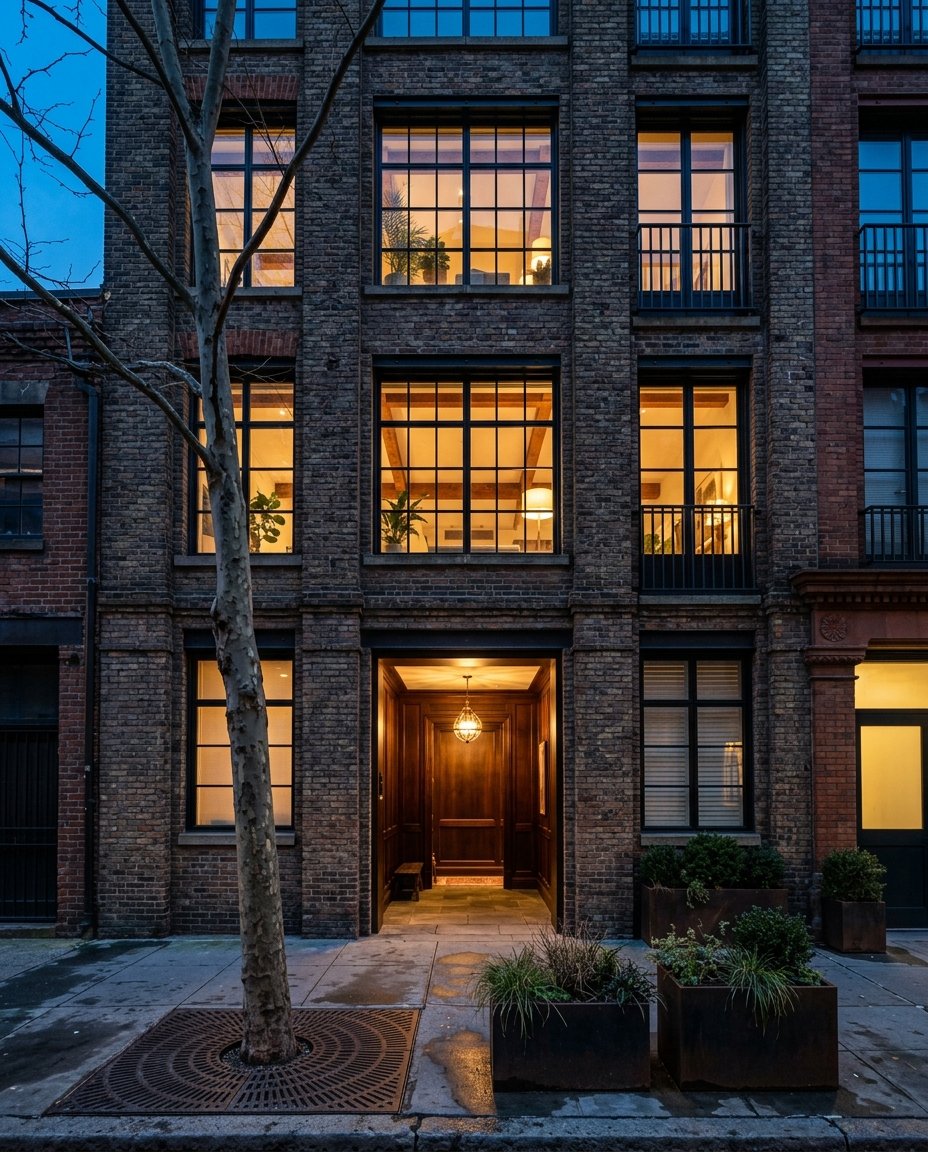
If you picture detached homes with big yards, downtown Grand Rapids will probably feel different from what you expect. The housing mix is built around lofts, condos, apartments, microlofts, and attached townhomes rather than traditional single-family homes.
That shape of inventory matters because your search often becomes less about lot size and more about building style and day-to-day function. In downtown, buyers usually compare homes based on layout, parking, building access, amenities, and proximity to the places they use most.
Current and planned projects reinforce that pattern. Recent city development materials show a growing pipeline of market-rate apartments, some income-restricted units, and future condominium inventory, including projects on Lyon Street, Oakes Street, Ann Street, and the Fulton and Market Avenue area.
Common downtown home options
- Loft-style residences with an urban feel
- Condos in mixed-use or amenity-rich buildings
- Apartments and microlofts designed for lower-maintenance living
- Attached townhomes with a little more separation than a large residential building
What Daily Life Feels Like
Living downtown usually means your surroundings stay active. You are closer to restaurants, entertainment venues, public spaces, and civic destinations, so the rhythm of the area tends to feel busier and more event-driven than a quieter residential neighborhood.
For many buyers, that is the appeal. You can be near concerts, museums, dining, seasonal events, and riverfront spaces without planning your entire day around a car ride across town.
For others, the same features can feel like tradeoffs. Event traffic, public activity, and a block-by-block mix of uses are all part of the downtown experience, so it helps to be honest about how much energy you want around you on a regular basis.
Arts, Dining, and Entertainment Access
Downtown Grand Rapids has a strong concentration of cultural and entertainment destinations. Major anchors include Van Andel Arena, DeVos Place, the Grand Rapids Art Museum, and the Grand Rapids Public Museum, all of which add to the steady flow of events and visitors downtown.
Studio Park is another major piece of the lifestyle picture. It includes a 9-screen theater, a 200-seat music venue, 12 restaurants and shops, 246 lofts and condos, on-site parking, and transit access through The Rapid, the Silver Line, and DASH.
Food options are also a big part of everyday convenience. The Downtown Market operates seven days a week and includes 21 indoor food merchants and restaurants, giving residents another practical option for grabbing meals, meeting friends, or exploring local food vendors.
Downtown also leans into public events and installations. Seasonal programming like World of Winter adds another layer to the experience, with art displays and activities spread across downtown spaces.
Parks and Riverfront Space
A lot of people assume downtown living means giving up easy access to outdoor space. In Grand Rapids, that is not really the case.
Rosa Parks Circle remains one of downtown’s best-known public spaces and includes a seasonal ice rink. Ah-Nab-Awen Park offers riverfront greenspace, walking paths, public art, restrooms, a picnic shelter, and access to Gillett Bridge.
Canal Park adds another option for getting closer to the Grand River and the river-edge trail system. These spaces make it easier to balance urban living with a little room to walk, sit outside, or spend time near the water.
The riverfront itself is still changing. The Grand River Revitalization Project is designed to restore natural rapids and improve river access, while East Riverfront Park is expected to add more public waterfront space and strengthen a connection within the broader Grand River Greenway.
Getting Around Downtown
One of downtown Grand Rapids’ biggest advantages is flexibility. You can walk to some destinations, use transit for short connections, drive when needed, and mix in shared mobility tools depending on your day.
The city’s DASH shuttle is free and circulates the downtown core in a one-directional loop every eight minutes. The Silver Line also runs through downtown, with 15-minute service on weekdays and 30-minute service on weekends.
The city also supports shared e-bikes, scooters, and DART carshare. If you still drive often, downtown remains accessible by major interstates, and DeVos Place notes that downtown is about 15 minutes from Gerald R. Ford International Airport.
Parking is part of the equation
Parking deserves more attention than many buyers expect. Downtown Grand Rapids includes city-owned ramps, lots, and metered street parking, and metered spaces are charged by the hour.
That means parking is not just something to think about when friends visit or when a concert is in town. It is part of your everyday routine, especially if your building has limited spaces or if you rely on guest parking regularly.
Who Downtown Grand Rapids Fits Best
Downtown Grand Rapids tends to work best for buyers who want a lower-maintenance home and enjoy a more active environment. If you like walkability, easier access to entertainment, public gathering spaces, transit options, and riverfront amenities, downtown can be a strong fit.
It can also work well if you care more about location and lifestyle than private yard space. Many buyers are happy to trade lawn care and extra square footage for convenience, building amenities, and access to the city core.
On the other hand, downtown may not be the best fit if your priority is a detached home, a larger private yard, or a quieter street pattern built mainly around single-family living. In that case, surrounding Grand Rapids neighborhoods or suburban areas may line up better with what you want.
What to Compare Before You Buy
Because downtown is so building-specific, smart buyers narrow the search with practical questions early. Two homes that seem close on a map can live very differently depending on parking, sound, building rules, and nearby activity.
A thoughtful search usually includes questions like these:
- Do you want a condo, loft, apartment-style home, or townhome?
- How many parking spaces come with the unit or building?
- Are there HOA or building dues, and what do they cover?
- Is the building near major venues, events, or higher-traffic blocks?
- Would you rather be closer to the riverfront, the market area, or the arena district?
These details often matter more than broad labels like “downtown living.” The best fit usually comes from matching the building and micro-location to your routine.
Why a Block-by-Block View Matters
The biggest mistake buyers make is treating downtown Grand Rapids like it has one personality. It does not.
Some areas feel more entertainment-driven. Others feel more residential, more river-oriented, or more tied to food and daily convenience. Looking closely at the exact street, building, and surrounding activity can give you a much more accurate sense of whether a home will feel right after move-in.
If you are considering downtown Grand Rapids, it helps to tour with a clear eye for lifestyle, not just finishes and square footage. A well-informed local perspective can make it much easier to weigh value, building differences, and the practical side of urban living. When you are ready to explore your options, connect with Fortress Realty for knowledgeable, finance-savvy guidance tailored to your goals.
FAQs
What is downtown Grand Rapids like for full-time residents?
- Downtown Grand Rapids offers a mixed-use lifestyle with housing, dining, entertainment, parks, and riverfront access in close reach, but the feel can vary a lot by district, block, and building.
What types of homes are common in downtown Grand Rapids?
- Downtown housing is mostly made up of lofts, condos, apartments, microlofts, and attached townhomes rather than detached single-family homes.
Is parking important when living in downtown Grand Rapids?
- Yes. Parking is a major part of downtown living because daily routines often involve building parking rules, public ramps or lots, guest parking, and metered street spaces.
Can you get around downtown Grand Rapids without driving everywhere?
- Yes. Downtown offers walking access, the free DASH shuttle, Silver Line service, shared e-bikes and scooters, and DART carshare, while still remaining accessible for drivers.
Who should consider buying a home in downtown Grand Rapids?
- Buyers who want lower-maintenance living, access to events and amenities, and a more active urban setting often find downtown appealing.
Who may prefer a different area than downtown Grand Rapids?
- Buyers who want a detached home, more private yard space, or a quieter residential environment may prefer surrounding neighborhoods or suburban locations instead.